What Is Fixing Stage & Why It’s a Critical Inspection | Brisbane 2026
Fixing stage is when wet areas are tiled and major defects can be locked in. Learn why a fixing stage inspection in Brisbane can prevent delays and costly rework before practical completion in 2026.
5/1/20252 min read
What Is Fixing Stage & Why It’s a Critical Inspection (Brisbane 2026)
If there’s one stage that quietly causes massive delays later in the build, it’s fixing stage.
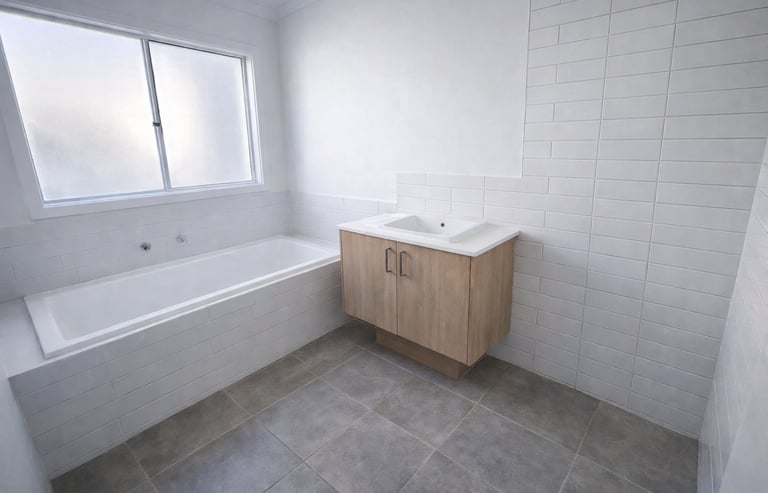
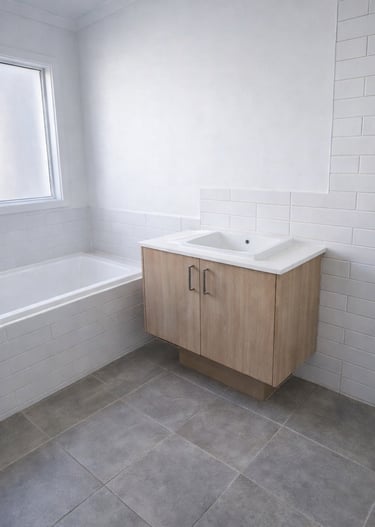
This is the point where your wet areas are tiled and grouted, and the builder is often ready to issue a progress claim — even though the bathrooms might not have taps, screens, mirrors, or basins installed yet.
And here’s the problem:
If the tiling is wrong now, you don’t want to discover it months later when you’re two weeks from handover and the whole bathroom needs to be pulled apart and rebuilt.
A fixing stage inspection is one of the best “bang for buck” inspections you can do to protect your timeline and avoid last-minute rebuilds.
Why Fixing Stage Matters (Read This First)
Fixing stage is when workmanship starts getting “locked in”. You’re at the point where:
Tiles are on the walls and floors in wet areas
Grout is in
Linings and trims are in
The house is starting to look finished
But if there are major defects at this stage, the fix can be painful:
Bathrooms may need tiles removed
Waterproofing can be compromised (yes — even if it passed earlier)
Trades have to come back
Your practical completion date can blow out
Finding defects now is quicker, cheaper, and far less stressful than finding them at PCI.
What “Fixing Stage” Actually Means
Fixing stage can vary slightly between builders, but in most Brisbane builds it usually includes:
Wet areas tiled and grouted (ensuite, bathroom, laundry)
Doors hung
Architraves and skirtings installed
Internal fit-off starts (cabinetry/vanities often installed, not always plumbed)
Internal spaces start closing up visually
Important note:
The builder may invoice fixing stage once wet areas are tiled and grouted — taps, shower screens, basins and mirrors can still be missing.
When Should You Book a Fixing Stage Inspection?
Book it as soon as your wet areas are tiled and grouted.
That’s the sweet spot.
Don’t wait for:
shower screens
tapware
basins
mirrors
accessories
full flooring through the house
Because if major tiling issues exist, the earlier you find them, the more likely they get fixed without turning into a handover drama.
Common Fixing Stage Defects We See in Brisbane
This is where things often show up that people miss until it’s too late.
Tiling defects
Uneven tiles / out-of-level lines
Tile lippage (edges sitting proud)
Inconsistent grout lines
Hollow / drummy tiles
Chipped or cracked tiles already installed
Poor cuts around fittings and corners
Falls and drainage issues
Incorrect falls to floor wastes
Bird baths / ponding
Water sitting where it shouldn’t
Finish and detail issues
Poor junctions at vanities and nib walls
Bad silicone prep or missing junction sealing
Edges and trims not finished cleanly
A lot of these issues are much harder to fix later without major rework.
Why Waiting Until PCI Can Cost You Weeks
At PCI, the house is basically “finished”. That sounds good — but it’s the worst time to find big bathroom defects.
If a shower floor needs to be re-laid, or falls are incorrect, you’re looking at:
removing tiles
potentially redoing waterproofing
retiling
waiting for curing times
rebooking trades
And builders don’t love doing that when they’re trying to hit handover targets.
Fixing stage is the stage where you can prevent the rebuild, not react to it.
What You Get With a BSPI Fixing Stage Inspection
At BSPI Inspections, our fixing stage inspection is focused on the things that cause:
delays
disputes
rework
handover blowouts
You’ll get a clear report you can send straight to the builder, highlighting key issues while there’s still time to fix them properly.