
Waterproofing Inspection Brisbane | Why This Stage Matters (2026)
Waterproofing defects are often hidden once tiles are installed. Learn why a waterproofing inspection in Brisbane can prevent long-term damage and costly repairs in new homes.
5/1/20251 min read
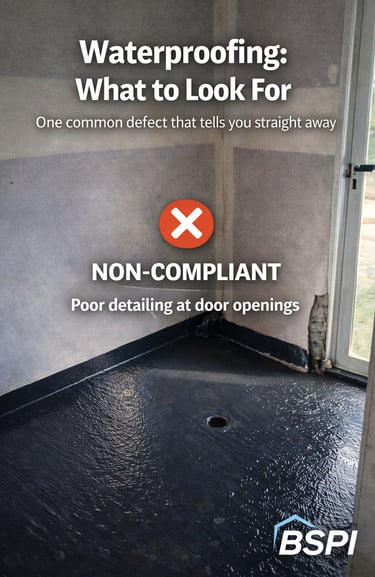
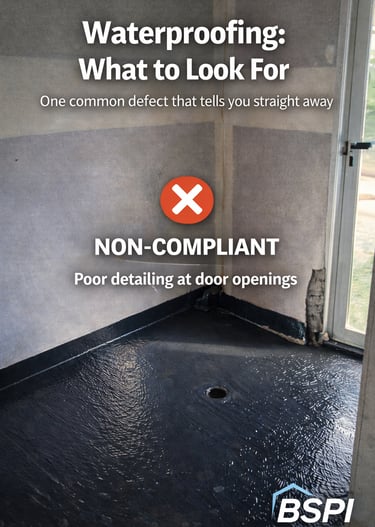
Waterproofing Inspection: Why This Stage Should Never Be Skipped (Brisbane 2026)
Waterproofing is one of the most critical — and most misunderstood — stages of a new home build.
It happens before tiles go on, when membranes, penetrations, and junctions are exposed and can actually be inspected properly.
Once tiles are installed, waterproofing defects are hidden, and issues often don’t appear until long after handover.
A waterproofing inspection is about catching problems before they’re sealed in.
Why Waterproofing Matters So Much
Waterproofing failures can lead to:
Water ingress
Rot and mould
Tile failure
Structural damage
Expensive repairs years later
And unlike cosmetic defects, these issues are rarely simple or cheap to fix once the home is finished.
When Does Waterproofing Stage Occur?
Waterproofing inspections are carried out after:
Wall linings are installed
Wet area substrates are prepared
But before:
Tiles are installed
Screeds are poured (where applicable)
This is the only time membranes, junctions, and detailing can be visually checked.
What a Waterproofing Inspection Covers
At BSPI Inspections, waterproofing inspections typically focus on:
Wet areas
Bathrooms
Ensuites
Laundries
Powder rooms (where applicable)
Balconies (if included)
Common inspection items
Membrane coverage and continuity
Floor-to-wall junctions
Hob and shower recess detailing
Penetrations (pipes, wastes, mixers)
Terminations and edge detailing
Compliance with AS 3740 (where applicable)
Common Waterproofing Defects We See
These are issues we regularly find before tiles go on:
Incomplete membrane coverage
Poor detailing around penetrations
Missing or incorrect bond breakers
Membrane not returned up walls correctly
Poor floor waste detailing
Damage to membrane before tiling
Once tiles are installed, many of these defects are impossible to confirm without removal.
Why Waterproofing Issues Are Often Missed
Waterproofing is usually:
Covered quickly
Installed under time pressure
Rarely seen by homeowners
Signed off before tiles hide everything
By the time problems show up, the damage is often already done.
How Waterproofing Links to Fixing Stage
Even if waterproofing “passes”, issues can still arise later due to:
Damage during tiling
Incorrect tile falls
Poor junction finishing
That’s why waterproofing inspections and fixing stage inspections work together.
👉 Related guide:
Fixing Stage: Why You Shouldn’t Skip This Inspection
Waterproofing Defects Explained (Video)
In this video, we walk through real-world waterproofing defects found during inspections and explain why they matter before tiles go on.